
The Conflict Between Scope and Capacity
Getting Things DoneThe book follows tension between expanding ambitions and finite resources toward a more conscious practice of choosing and renegotiating commitments.
increasing Bearing strength in each event
 decreasing
Bearing strength in each eventdecreasingPossibilities Multiply

More Opportunity, More Demand
Expanded Possibilities
People enjoy more opportunities and information, yet often take on more than their resources can handle. Work and personal aspirations continue to expand as new possibilities become visible.
The result is an increasingly full plate rather than a simple shortage of minutes.
A Moving Target
Jobs, goals, technologies, and organizational roles change, making it difficult to define a stable workload. What counted as the job yesterday may no longer describe it today.
The conflict between ambition and capacity emerges from both abundance and change.
Values Raise the Stakes

Meaning Creates More Commitments
Values Give Direction
Clarifying values can give work purpose, but it does not necessarily reduce the number of responsibilities a person feels compelled to accept. Meaning may deepen commitment and reveal new work to undertake.
The person’s standards can raise the bar rather than simplify the day.
A Necessary but Incomplete View
Higher-level thinking matters, yet it cannot by itself manage the resulting daily actions. A person still needs an operational system for the work generated by valued goals.
The conflict lies between meaningful direction and the practical limits of time and energy.
The Inventory Makes Limits Visible

Seeing the Actual Workload
No More Guessing
A complete inventory allows a person to see commitments that were previously scattered across memory, papers, and communication channels. The total may be larger than expected.
Visibility does not create more time, but it improves the basis for decisions.
Capacity Can Be Discussed
With the work in view, a person can determine which requests to accept, defer, or renegotiate. Limits become a practical reality rather than a vague feeling of overwhelm.
The conflict shifts from private anxiety to explicit choice.
Not Doing Is Reconsidered

Renegotiating the Unfinished
Choosing What Remains Active
The person reviews commitments and can decide that some should no longer be pursued or should wait. A task that cannot be completed now need not remain a permanent source of guilt if it is consciously deferred.
The system makes inaction a visible choice rather than an accidental omission.
Integrity Through Adjustment
Renegotiation lets people respond to changing circumstances without pretending they can do everything. Agreements can be revised with themselves and others.
The tension between standards and finite resources becomes more manageable when choices are explicit.
A Sustainable Workload Culture
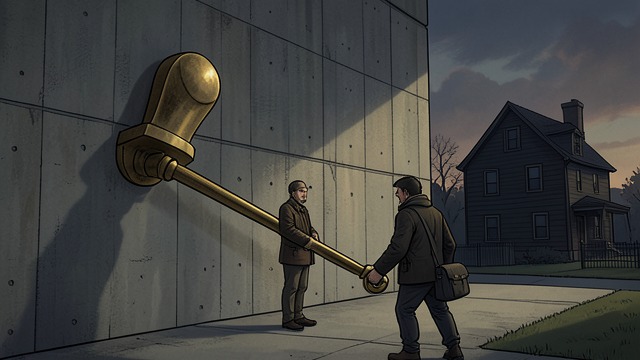
More Work Than Anyone Can Do
A Realistic Standard
Allen argues that organizations should accept that people have more possible work than they can complete. The important requirement is a trustworthy process for tracking and renegotiating what will not be done.
This standard replaces hidden overload with explicit prioritization and agreement.
Energy for the Larger Game
When communication and follow-through are dependable, teams can focus less on monitoring dropped items and more on significant problems and opportunities. The work may remain demanding, but it is handled with less wasted effort.
The conflict resolves not through eliminating abundance but through managing it honestly.
In the book’s account of modern work
During the discussion of big-picture thinking
After commitments are collected
During regular review of commitments
In the book’s organizational conclusion
